

American Waste Enterprise: Redefining Fashion Blanks Through Radical Reuse
This LA operation challenges blanks industry with vintage wholesale model

When you’re running a small fashion company yourself, without any outside investment, certain things are a given. You can’t pre-produce multiple SKUs. You can’t invest thousands in pattern making and sampling before you know what your buyers are going to want. So you do what most new labels do, you start out with printable blanks.
The math all adds up. The blanks cost less and are a more affordable option. But they also create a strange irony for anyone who’s trying to make something original. You’re selling originality and having the same hoodies as a hundred other streetwear brands. Same weight. Same fit. Same everything, just with your design and label.
I’ve produced every order in-house since 2023. Not because I’m trying to chase sustainability points, though it is more sustainable, but just because that’s the only way budgeting will work. For years, I’ve been searching for a blanks vendor who would be able to offer something truly different. Something that wouldn’t make my brand look like every other brand in existence.
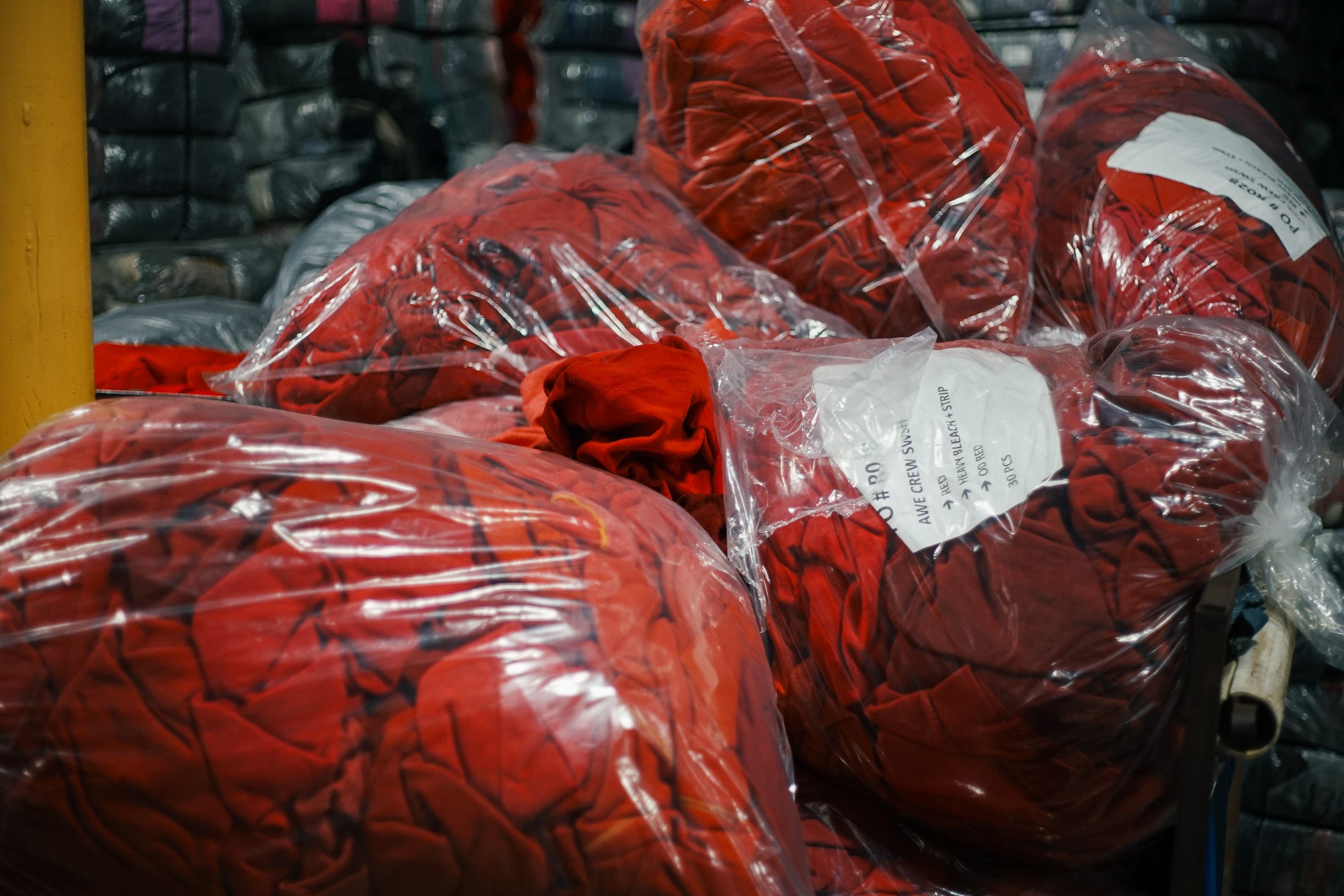
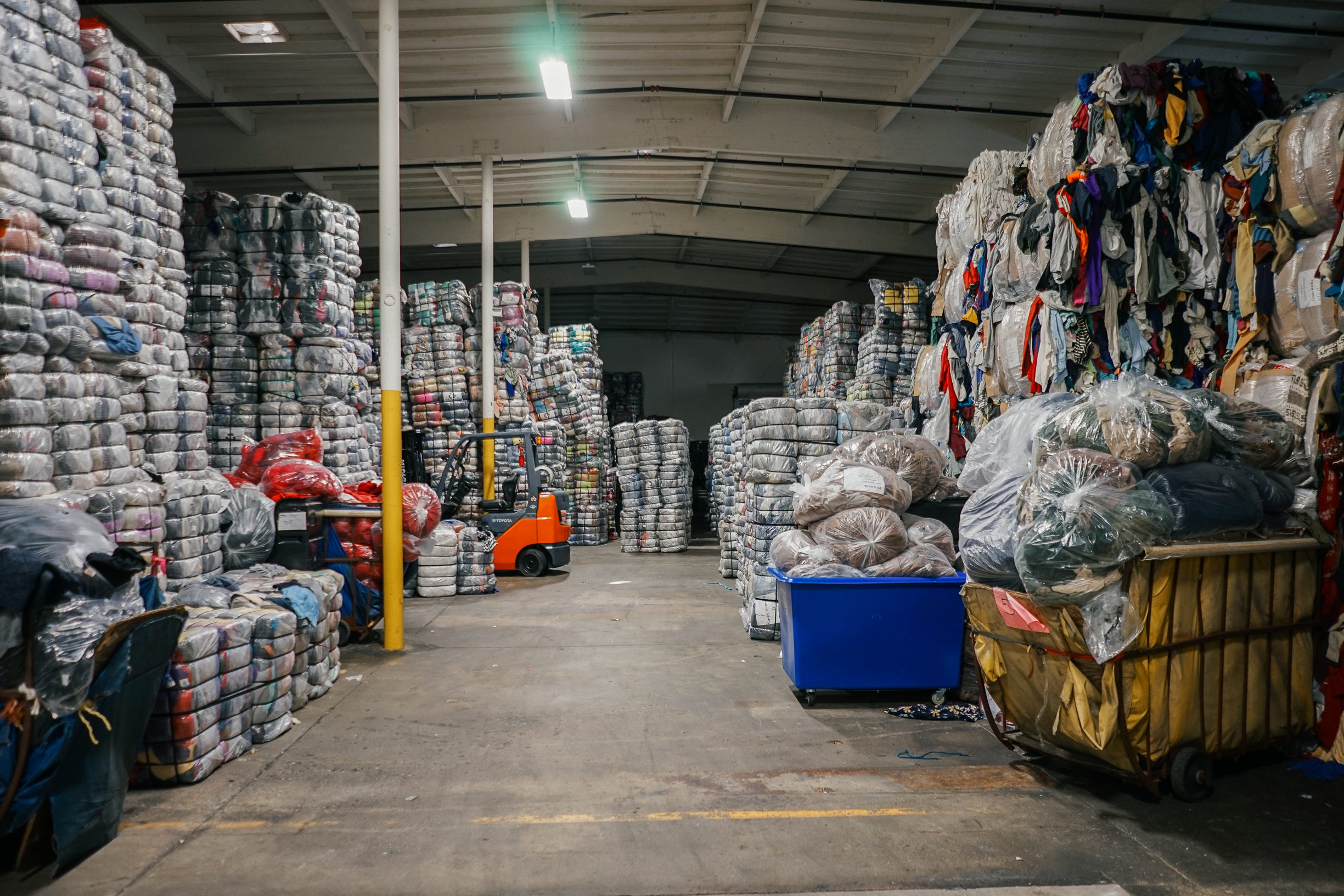
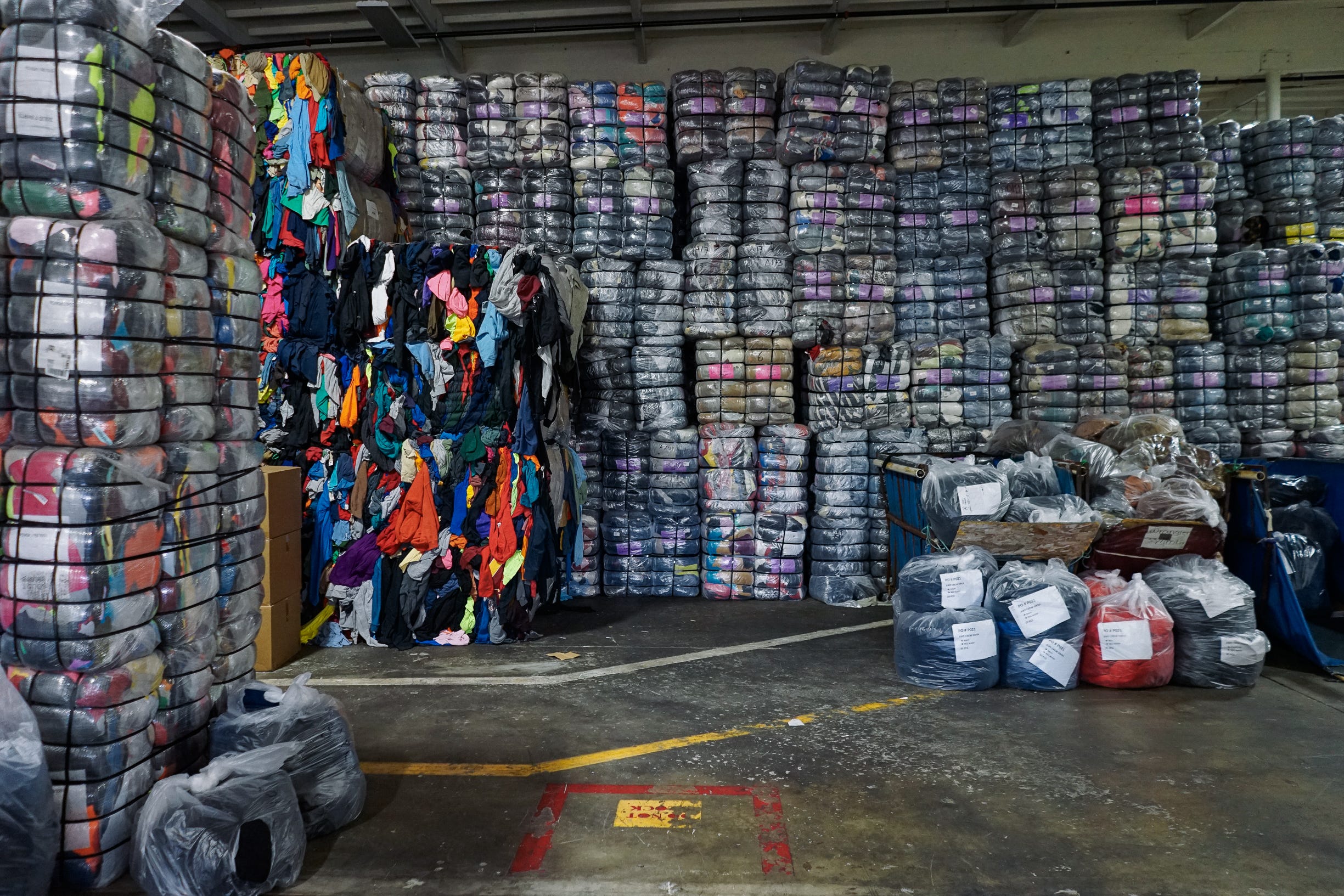
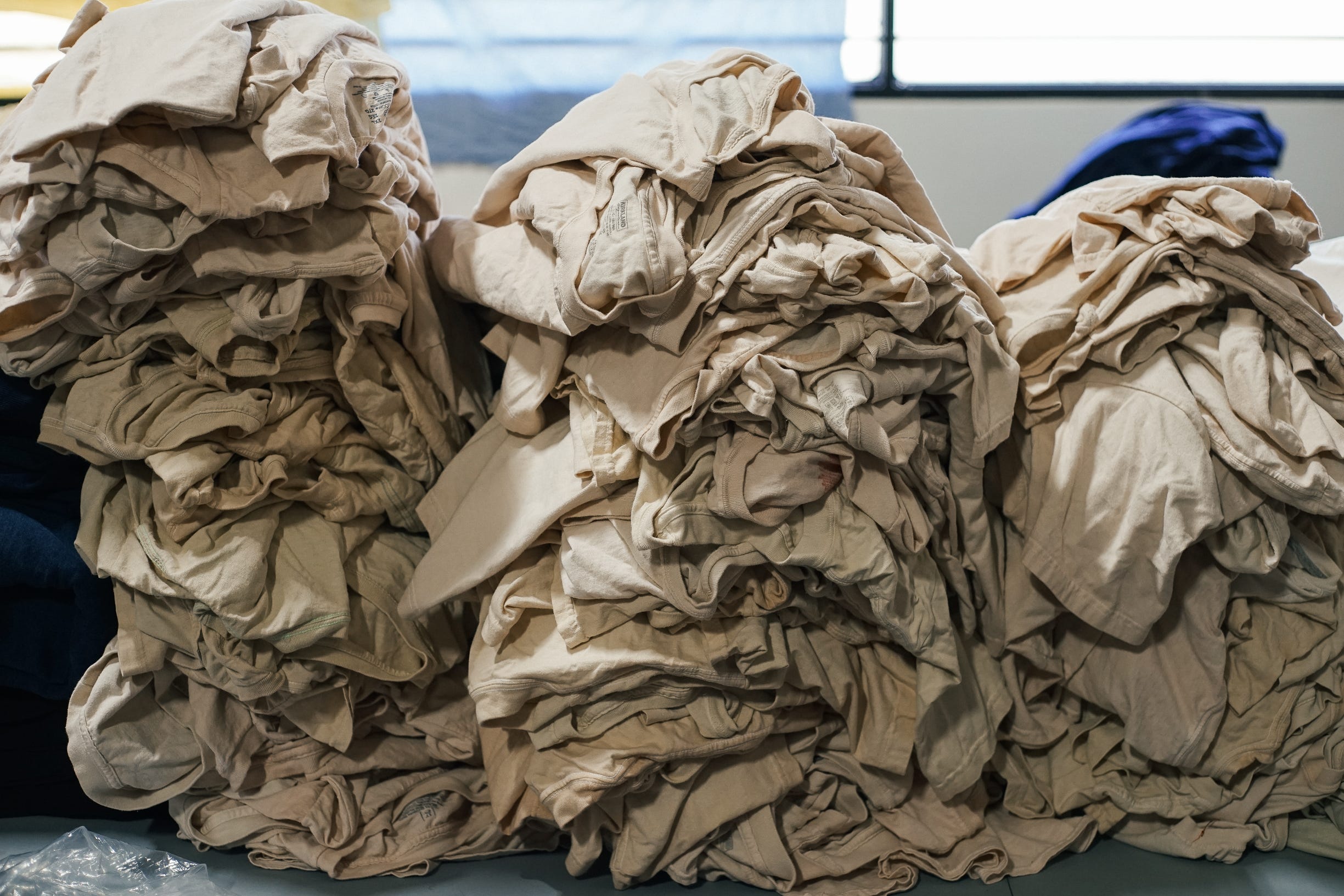
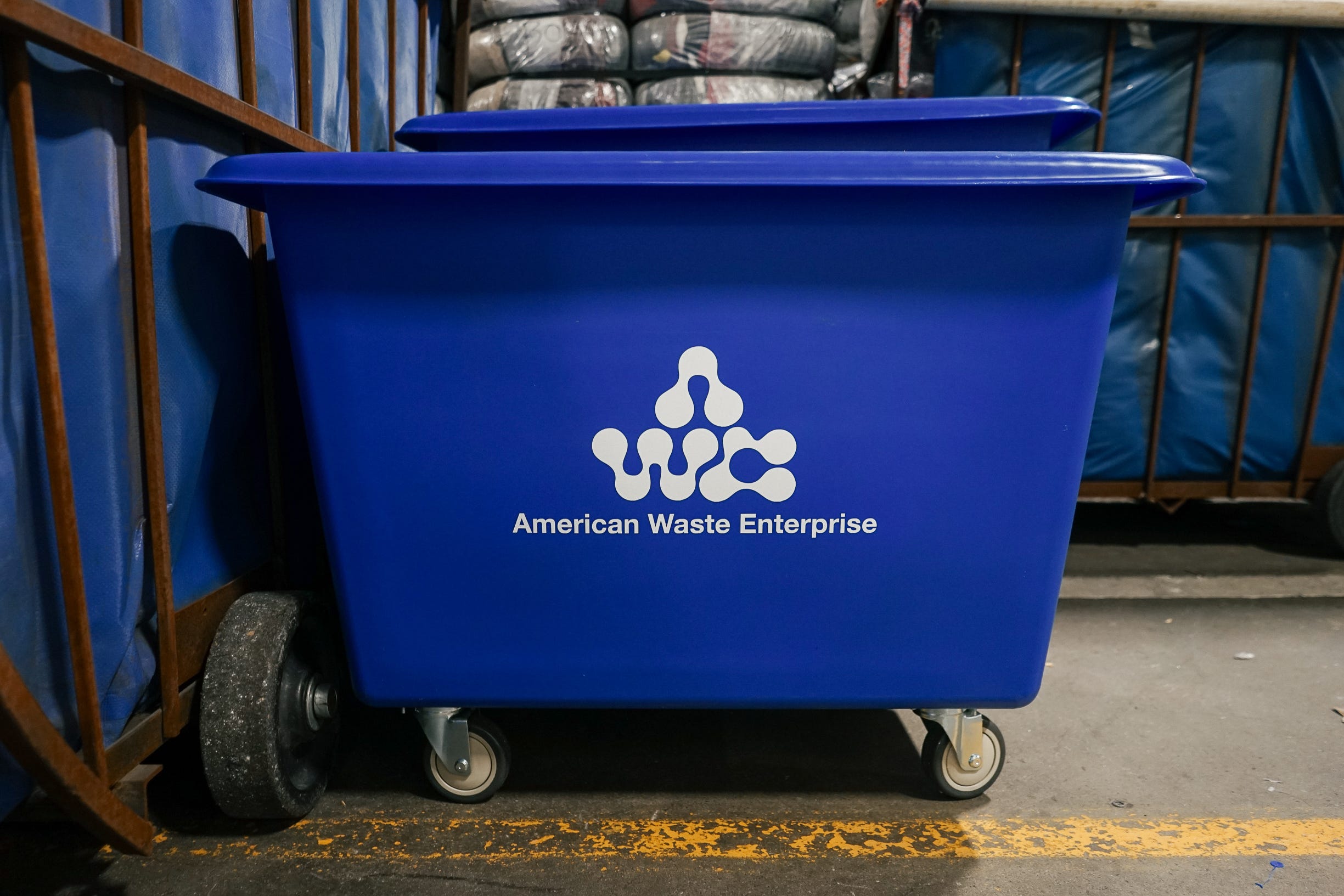
In a Gardena, CA warehouse, American Waste Enterprise rests on literal tons of second-hand apparel. The company launched their wholesale and direct-to-consumer site this week, and they have a straightforward philosophy: don’t keep making new, when perfectly good garments are already available.
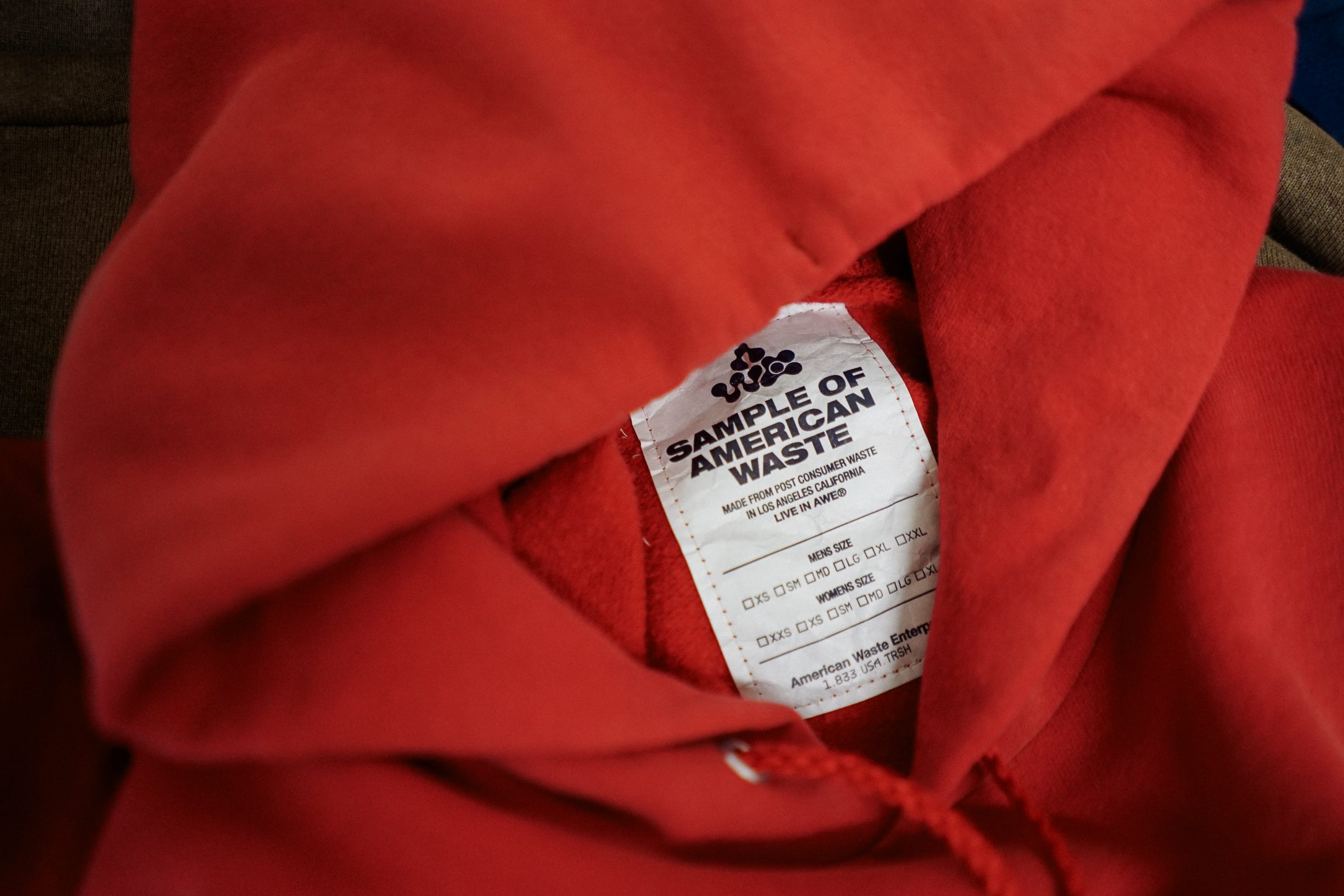
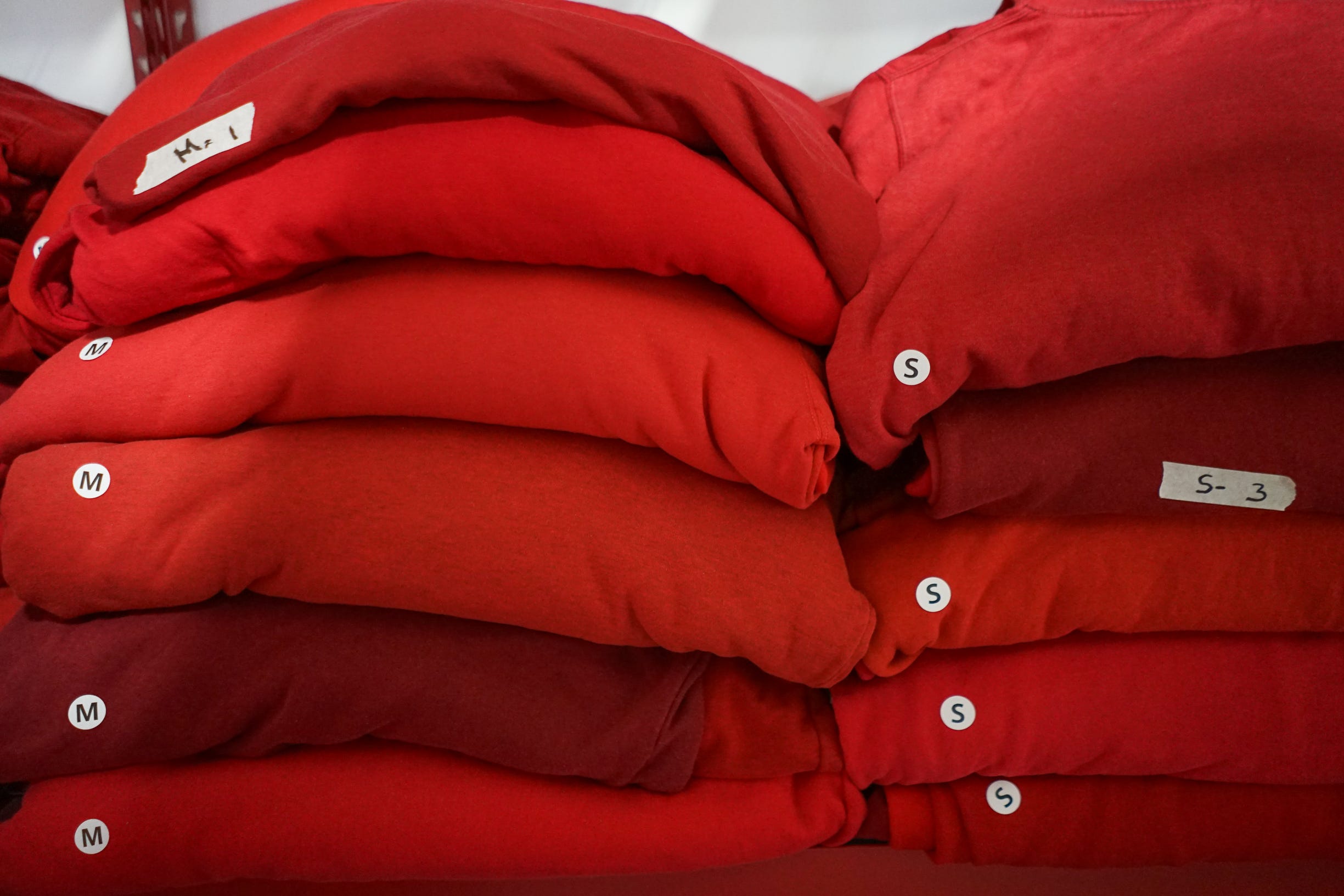
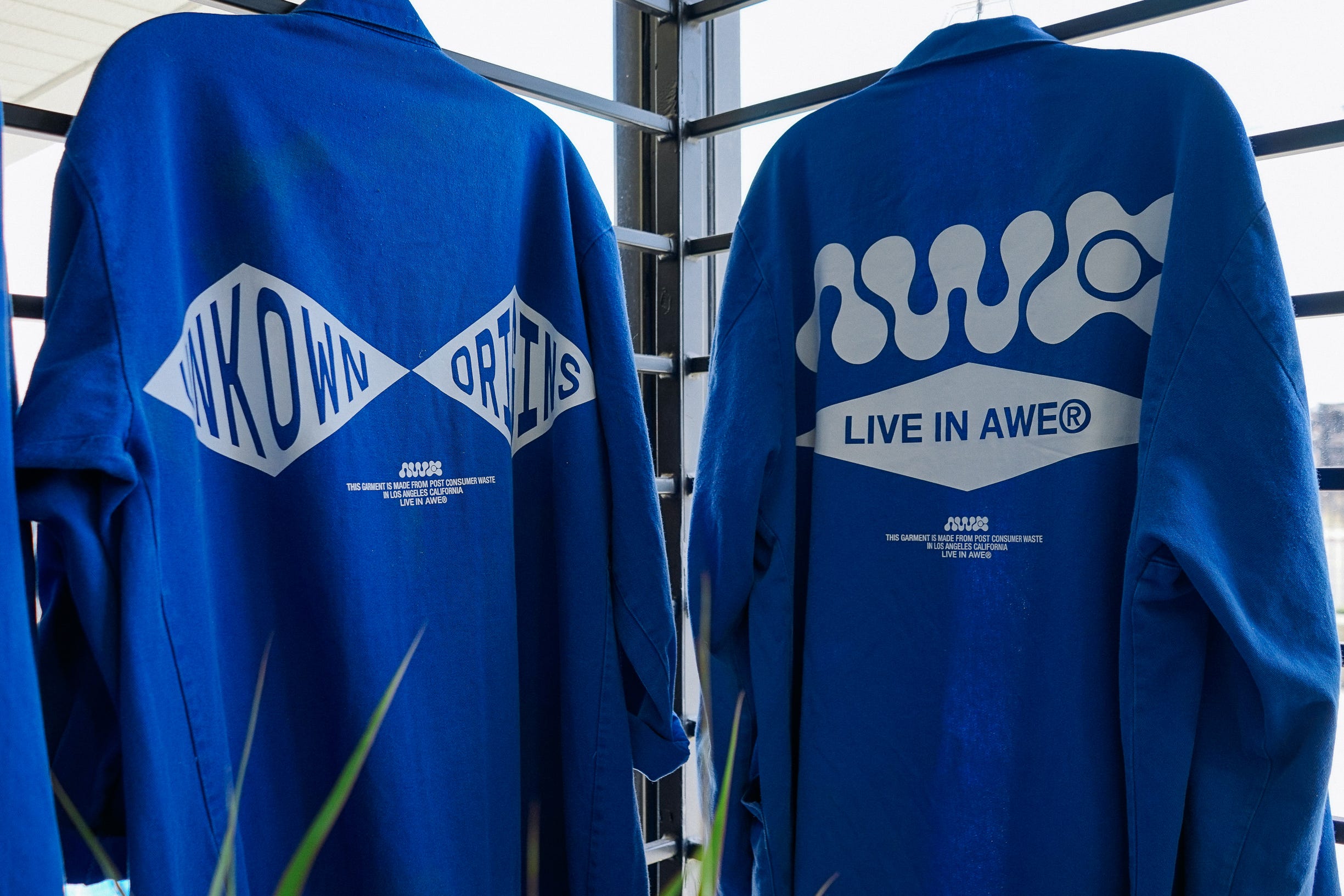
They’re reclaiming vintage tees, crewnecks, hoodies, and turning them into wholesale blanks. De-tagging them, cleaning them, dyeing them where needed, and re-grading them for size uniformity. They are still dialing in their system and process, but wholesale and direct sales are the goal. It’s all top-only for now, but they’re planning to include flannels and mashup pieces, color-blocked hoodies created from donor fabric, patchwork patterns, et cetera. It’s stuff that stays itself but becomes something new.
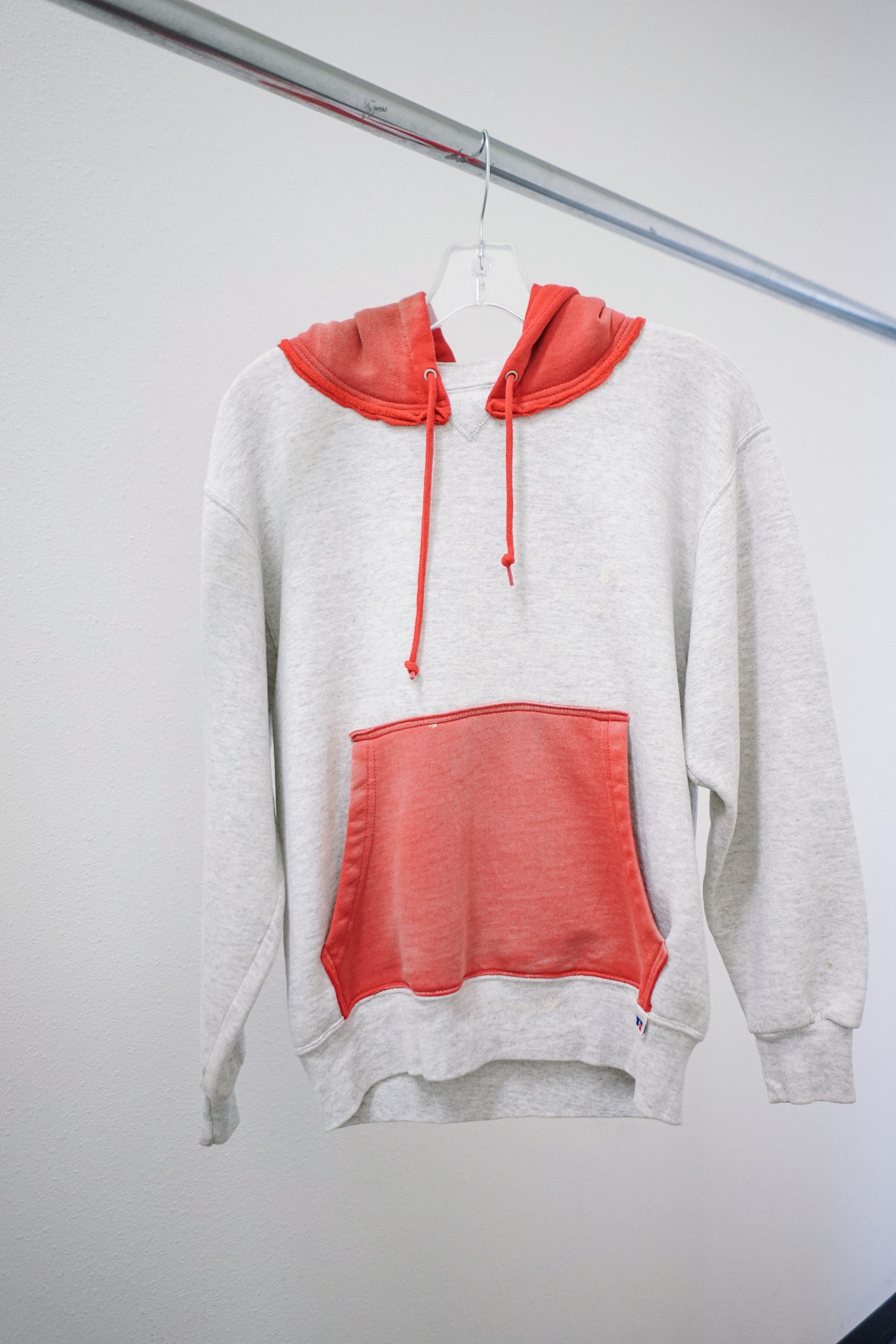
What’s great about it isn’t the retro look alone. It’s that even if the look is the same on multiple items, each blank has slight differences. Varying fades. Varying textures. True individuality, not staged individuality.
The definition of “vintage” is loose but reasonable, if it’s been around and lasted 20+ years, it’s in. Champion, Hanes, Russell, even H&M. If it still exists, it’s an option. The prices are comparable to regular blanks vendors, though this is clearly a higher-end product.
The Industry’s Honesty Problem
Here is what American Waste Enterprise gets right that not many “sustainable” fashion brands will admit: creating anything new is the problem. Anything. Even the most well-intentioned, eco-friendly production still equates to emissions, resource consumption, addition to waste stream. You can reduce the harm, but you’re not stopping it.
The fashion industry produces around 92 million tons of clothing waste every year. Less than one percent of materials used in clothing production get recycled into new garments. Meanwhile, brands blanket their websites with proclamations of recycled polyester and organic cotton and carbon offsets, as if tweaking inputs solves the fundamental issue of overproduction.
This is the greenwashing problem turned on its head. Companies wish to claim to be “sustainable” without acknowledging that the most sustainable course of action is to not create new things at all. Every item of clothing created, however greener the production process, is resource extraction, energy consumption, transport emissions, and eventually disposal. The greenest product is one that already exists.
American Waste Enterprise isn’t attempting to save the world. They’re just observing reality: you can reuse what’s already been made if you’re going to make something. It’s reducing harm, not virtue signaling.
Why the Blanks Business Needs This
The blanks market is stuck. There are more than a handful of large suppliers that all produce near-identical product. For smaller brands trying to carve out an individuality, this is an immediate disadvantage. You’re building your identity on the same platform as everyone else.
This is particularly the case with streetwear and graphic-influenced fashion. Walk through any city and you see the same silhouettes repeated endlessly, differing print and logo, but the same underlying garments. The blanks business has scaled for affordability and homogeneity, which is logically pleasing at scale. But it has also created monoculture.
Vintage blanks offer a way out. Each piece has a story, its own flaws. For brands built on authenticity and one-of-a-kindness, starting with a piece that already exists gives narrative depth that new production cannot. This isn’t romanticizing vintage for appearance, it’s recognizing that true one-of-a-kind is a product of real variation, not manufactured distressing or intentional damage.
There’s also a utilitarian perspective. Bespoke models reduce waste but do require up-front investment in material and samples. Vintage blanks can deliver lower minimums and competitive prices, while also significantly reducing environmental footprint. The clothes have already been created, the footprint is only for processing, dyeing, and shipping.
The Team
The operation is being led by alumni of General Admission, the Venice-based brand that was a cultural epicenter of independent streetwear and surf when it closed its doors. Together, they share a history of holding down executive positions at brands such as Brain Dead, creative leads at eyewear and footwear brands, and day-to-day control of production, merchandising, and sales operations.
This is not their first time building something from scratch. They’ve been through the whole cycle of independent fashion; creative vision, production logistics, retail economics. They’ve figured out what does and doesn’t work, which matters when you’re trying to build infrastructure for something that doesn’t quite yet exist. Most importantly, they understand what small brands actually need of a supplier: not just product, but consistency and reasonable minimums.
What This Truly Is
American Waste Enterprise is not an environmental savior by any means. That would be dishonest. They’re suggesting something easier: taking what already exists and creating something new out of it. The clothing is already made. It’s already in a warehouse. Bringing them out of storage prevents virgin material excavation, energy-guzzling farming, power-guzzling manufacturing. The cost on the environment is significantly reduced, though not eliminated.
To designers working on tight budgets and small runs, this is a definite option. You’re not losing out on sustainability or cost-effectiveness, you’re getting both simultaneously, and the benefit of product differentiation as well. Every blank is effectively one-off. It’s not marketing spin, it’s the nature of working with vintage.
They’re truly building a model that addresses a glaring gap in the market: why on earth are we still producing millions of new basic pieces when warehouses are full of perfectly lovely ones?
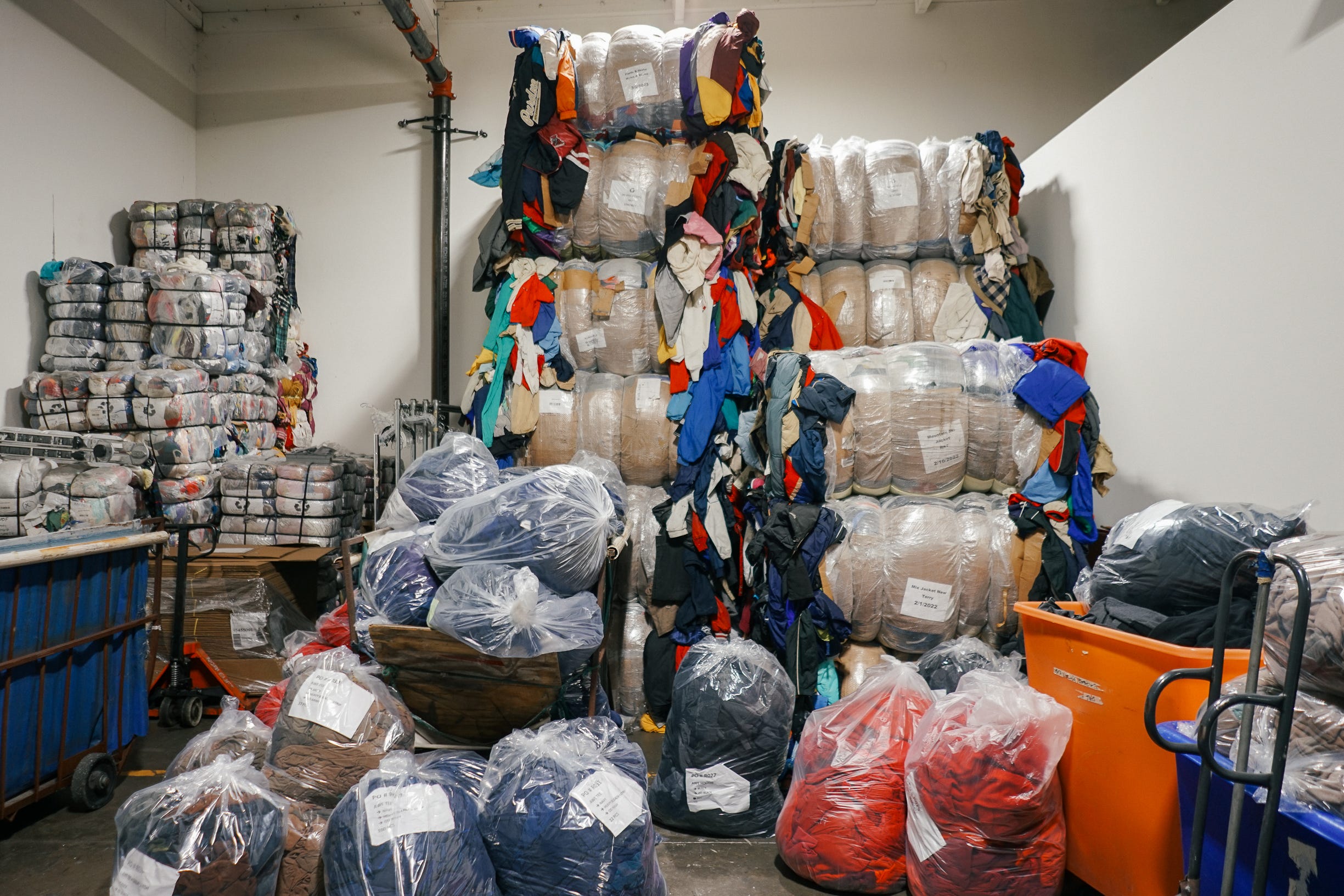
The answer has always been that new production is easier, more predictable, under control. Easy isn’t defensible anymore when the fashion industry is one of the world’s biggest polluters. All those pounds of clothing piling up in Gardena are both the problem (decades of overproduction) and the answer: at last using that overproduction is being used for something worthwhile.
In a culture obsessed with newness, the boldest thing to do might be to value what we already have. American Waste Enterprise isn’t solving fashion’s waste issue. But they’re offering a tangible alternative to participating in it. For large and independent companies tired of dressing like everybody else and supporting an imperfect system, this might just be enough.
—
For more information about American Waste Enterprise or to inquire about wholesale pricing and availability, visit https://www.americanwaste.studio or email sales@americanwaste.studio. Follow them on Instagram (@american.waste.enterprise) for the most up-to-date news.
This modl addresses something the blanks industry has ignored for decades. The homogeneity problem is real when every streetwear brand is using the same silhouetes from the same suppliers. Vintage blanks bring actual uniqueness, not just markted uniqueness. What strikes me most is the honesty about sustainability. You're right that creting anything new is the issue, not the materials. Most brands won't admit that.
Sustainability as a concept is a definite winner in the marketplace!